

Views: 0 Author: Site Editor Publish Time: 2026-09-30 Origin: Site


Unscheduled downtime on continuous miners or longwall shearers directly damages mine profitability. Every minute these massive machines sit idle eats into daily production targets and reduces overall operational efficiency. Standard steel tooling degrades rapidly in harsh seams. Operators frequently encounter abrasive geological anomalies during routine extraction. Sandstone roof bands or pyritic inclusions quickly destroy basic cutting tools upon impact.
Purpose-built Coal Mining Picks featuring engineered carbide materials provide a reliable solution to this industry-wide challenge. They are not merely optional upgrades for your machinery. They are required baseline investments for maintaining continuous extraction rates in severe environments. Heavy-duty mining operations demand tools built specifically for relentless physical punishment.
In this article, you will discover the metallurgical science behind these resilient cutting tools. We will explore how self-sharpening mechanics and proper geological matching keep production rates high. You will learn how to evaluate, select, and trial these components effectively to minimize downtime and maximize your extraction margins.
Material synergy: The combination of a heat-treated steel body and a tungsten carbide tip provides the exact balance of impact toughness and abrasion resistance required for harsh seams.
Self-sharpening mechanics: Round-shank coal mining picks are designed to rotate continuously during operation, ensuring even wear and preventing premature tool failure.
Cost-per-ton focus: Evaluating wear-resistant shearer picks requires shifting focus from the initial unit price to the metallurgical quality, brazing integrity, and resulting total cost per ton mined.
Risk mitigation: Selecting the wrong carbide grade (too hard/brittle) for high-impact rock can lead to catastrophic tip loss, making geological matching critical during procurement.
Harsh environments in coal extraction present numerous overlapping challenges for continuous miners. High compressive strength rock pushes heavy machinery to absolute mechanical limits. Silica dust acts as an extreme abrasive agent across all moving parts. Extreme heat friction melts inferior metals rapidly during continuous cutting operations. Tool degradation accelerates exponentially when these three factors combine at the coal face.
When standard tools fail, the ripple effects spread throughout the entire mining operation. Rapid wear reduces cutting efficiency almost instantly. The shearer motor must draw significantly more energy to compensate for dull blades. Overworked electrical motors risk overheating, tripping breakers, and causing unexpected shutdowns. These mechanical strain issues compound over time, shortening the lifespan of the entire shearer machine.
Mid-shift tool replacement delays bring production to a complete halt. Crews lose valuable extraction time swapping out broken bits in dangerous underground conditions. A viable tooling solution must demonstrate clear, measurable benefits on the production floor. It must reduce replacement frequency significantly across multiple shifts. It must maintain a consistent cutting profile from the first cut to the last. Ultimately, the successful solution must lower the overall cost per cubic meter of extracted material.
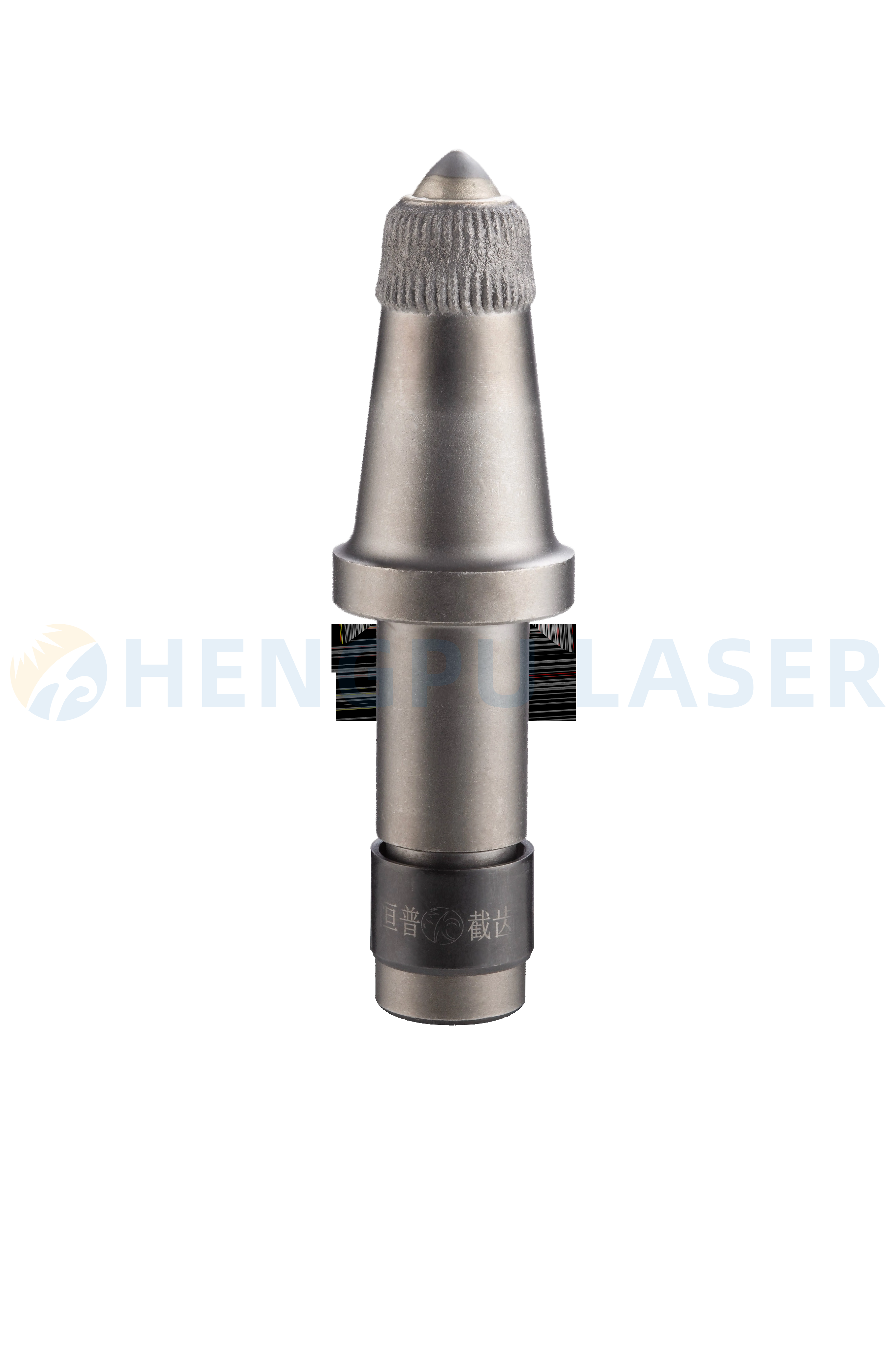
Tungsten carbide properties depend heavily on the precise tungsten-to-cobalt ratio engineered into the insert. Tungsten provides extreme hardness. This hardness fights off constant abrasion from rock, coal, and silica dust. Cobalt acts as the ductile binder holding the dense tungsten grains together. The cobalt matrix absorbs high-impact shock during heavy cutting operations. High-impact applications require higher cobalt percentages to prevent the insert from fracturing. A well-designed Carbide-Tipped Coal Mining Picks formulation balances these two opposing forces perfectly.
The induction brazing process connects the carbide insert to the main steel body. Manufacturers use high-strength silver or copper alloys during this critical heating process. Induction brazing creates a failsafe metallurgical bond between the two distinct materials. The braze joint holds the carbide insert firmly inside the steel body pocket. It prevents catastrophic tip loss under heavy machine vibration and extreme thermal fluctuations.
The steel body itself requires precise forging and subsequent heat treatment. High-grade alloy steel undergoes localized hardening to resist abrasive wear along the tool head. Forging and heat-treating the shank prevents bending under immense lateral pressure. A deformed shank will wedge itself permanently inside the tool holder block. Removing a stuck shank requires manual torching, which destroys the block and stops production entirely.
Carbide Grade Composition Characteristics
Rock Condition | Cobalt Content (%) | Tungsten Characteristics | Primary Benefit |
|---|---|---|---|
Soft Coal / Low Impurity | 6% - 8% | Fine grain, ultra-hard | Maximum wear resistance |
Mixed Seams / Moderate Rock | 8% - 10% | Medium grain, balanced | All-purpose durability |
Hard Rock / High Impact | 10% - 12%+ | Coarse grain, high toughness | Fracture and shatter prevention |
Rotational wear distribution is a massive operational advantage for modern mining machinery. The symmetrical, conical design forces the tool to rotate freely inside the holder block. Every strike against the coal face nudges the bit slightly on its axis. Continuous rotation ensures uniform wear around the entire conical head. This dynamic movement extends the functional life of the tool dramatically compared to fixed-position blades.
This self-sharpening effect prevents dangerous flat-spotting on the carbide tip. A flat spot dulls the tool completely, turning a cutting edge into a blunt hammer. Sharp penetration angles require significantly less machine thrust to fracture the coal seam. Lower thrust reduces wear on the continuous miner's expensive hydraulic cylinders and boom arms. Utilizing Round-Shank Coal Mining Picks keeps the machine operating within safe mechanical limits.
The contoured body design also plays a vital role in material clearance. The shape sweeps cut coal away from the rock face quickly and efficiently. Fast clearance minimizes secondary crushing beneath the shearer drum. Secondary crushing generates hazardous, highly explosive coal dust in the mine atmosphere. Proper extraction geometry improves both underground air quality and daily production volumes.
Symmetrical bodies allow 360-degree rotation during cutting.
Continuous rotation maintains a sharp, cone-shaped carbide tip.
Efficient material flow reduces dangerous dust generation at the face.
Lower required thrust extends the lifespan of the shearer gearbox.
Geological matching connects physical tool features to profitable extraction outcomes. You must assess the specific Unconfined Compressive Strength (UCS) of your rock layers. Softer, tougher carbide grades perform best in high-impact rock environments. Harder, highly wear-resistant grades dominate in abrasive but low-impact geological zones. Choosing the wrong grade guarantees rapid tool destruction.
Brazing and metallurgical quality control separate premium vendors from cheap alternatives. Demand detailed ultrasonic testing data from your potential suppliers. This non-destructive testing proves the braze joint contains no hidden voids or air pockets. Voids lead directly to dropped tips and wasted investments. Reliable Wear-Resistant Shearer Picks undergo strict batch testing before leaving the factory.
Retaining mechanisms demand equal attention during the procurement phase. Evaluate the structural quality of tension pins, spring sleeves, and circlips. A premium carbide tip offers zero value if the steel shank falls out of the block mid-shift. Spark friction compliance represents another non-negotiable metric for underground operations. Ensure the tool design aligns strictly with national safety regulations. Frictional ignition risks in methane-rich environments demand certified, spark-resistant materials.
Assess the Unconfined Compressive Strength of your specific coal seam.
Select the optimal tungsten-to-cobalt ratio for those rock conditions.
Request ultrasonic testing certificates to verify braze joint integrity.
Test retaining clips physically to ensure secure block seating.
Verify regulatory compliance regarding frictional ignition standards.
Even the highest quality tools fail under poor implementation strategies. Over-specifying hardness represents a very common procurement mistake. Buyers often assume the hardest available carbide automatically performs best. Harder grades actually turn brittle. They shatter instantly under heavy impact from hidden sandstone bands or pyrite nodules. Matching toughness to impact levels prevents this catastrophic shattering.
Improper lacing or incorrect block alignment destroys cutting efficiency completely. Incorrect placement on the shearer drum leads to highly uneven load distribution. A few bits end up taking the entire cutting force of the machine. This concentrated overload destroys even the highest quality tools in minutes. Proper lacing ensures every tool shares the cutting burden equally across the drum.
Coolant system failures pose severe thermal risks to the carbide inserts. Functional water sprays remain absolutely critical for tool survival. Operating carbide dry generates intense, localized heat very quickly. Hitting a cold pocket of water suddenly creates immediate thermal shock. Thermal shock micro-fractures the carbide grains and degrades the braze joint permanently. Operators must maintain clean, high-pressure water sprays constantly.
Worn tool holder blocks also ruin new cutting tools rapidly. Inserting a new shank into an oversized, deformed block prevents proper rotation. The tool gets stuck in one position and develops a massive flat spot immediately. Maintenance teams must measure and replace worn blocks before installing fresh sets of premium picks.
Procurement teams must actively avoid basic unit-price traps. Shift the conversation away from the simplistic price per pick. Focus entirely on the tooling cost per ton of coal mined. Cheap picks fail fast and cost substantially more in machine downtime and labor. A premium tool might cost twice as much upfront but last four times longer in the seam.
Requesting strict documentation ensures vendor credibility and material consistency. Require potential vendors to supply current ISO manufacturing certifications. Ask for raw material origin tracking for both tungsten powders and cobalt binders. Independent metallurgical batch reports verify the physical properties claimed by the manufacturer. Transparent suppliers will provide these documents willingly.
Running a controlled A/B trial proves real-world performance conclusively. Isolate one specific side of the shearer drum for the new tools. Keep your current standard tools on the opposite side for direct comparison. Track the exact tonnage cut during the defined trial period closely.
Install the trial picks on alternating drum lines for balanced testing.
Monitor machine energy consumption during the trial shifts.
Measure wear profiles using digital calipers after every shift.
Document failure modes carefully, distinguishing between normal wear and premature breakage.
Surviving harsh mining environments demands precise metallurgical alignment. You must match the tooling composition to the specific geological challenges of the mine. Strategic procurement drives true operational profitability and consistent extraction rates. Verifiable manufacturing quality outlasts the lowest upfront cost every single time.
Procurement teams should initiate thorough geological assessments of their current coal seams immediately. Request comprehensive trial batches from vetted, certified manufacturers today. Establish a baseline cost-per-ton metric to guide all future purchasing decisions. Transitioning to engineered carbide solutions protects your heavy machinery and guarantees higher daily production.
A: Start by analyzing the Unconfined Compressive Strength (UCS) of your rock. For high-impact rock, choose a higher cobalt percentage (10-12%) to increase toughness and prevent shattering. For highly abrasive but softer coal, choose lower cobalt (6-8%) for maximum hardness and wear resistance.
A: Lifespan varies heavily based on rock density and machine thrust. In extreme abrasion, standard tools might last one shift. High-quality carbide tools often last three to five times longer. Tracking the exact tons mined per tool provides the most accurate lifespan measurement.
A: Premature tip loss usually indicates a brazing failure. Voids or air pockets in the braze joint weaken the bond. Heavy vibration or sudden thermal shock from inconsistent water sprays can easily fracture a weak braze joint, causing the tip to detach.
A: Worn picks are generally not rebuilt because the steel body degrades and loses structural integrity. However, the tungsten carbide tips hold significant scrap value. Many facilities recycle the used tools to reclaim the valuable tungsten and cobalt materials.


