

Views: 0 Author: Site Editor Publish Time: 2026-09-11 Origin: Site


Escalating environmental regulations reshape road construction today. The global push for circular economies changes how agencies procure equipment. Contractors face intense pressure to maximize Reclaimed Asphalt Pavement (RAP) usage. They must also slash fuel emissions on every job site. Yet, operators often overlook the impact of their primary cutting tools. Standard milling tools degrade RAP quality rapidly. They create severe machine drag and increase fuel consumption.
Strategic selection of advanced Road Milling Bits solves this dilemma directly. Proper tooling improves fuel efficiency immediately. It ensures optimal RAP gradation for recycling plants. This simple upgrade reduces the overall project carbon footprint. It turns a basic consumable part into a powerful environmental compliance asset. You will learn how modern metallurgy, optimized tip geometries, and strict maintenance protocols transform cold planing operations into highly sustainable practices.
Premium milling bits reduce machine drag, directly lowering fuel consumption and associated emissions during asphalt removal.
Specific tip geometries produce finer, more consistent RAP, increasing the percentage of material that can be recycled into new pavement.
Extended tool lifecycles decrease the raw materials and energy required for manufacturing and shipping replacement parts.
Evaluating initial bit costs against lifecycle value and sustainability metrics is now essential for competitive bid compliance.
Regulatory pressures mount globally across the road construction industry. Municipalities now demand higher recycled content in new asphalt pavements. They enforce strict greenhouse gas emission limits on contractors during the bidding phase. These environmental mandates shift equipment procurement strategies fundamentally. Contractors can no longer ignore material recovery rates. Heavy machinery fleets must adapt to stricter environmental standards to remain competitive.
The milling process creates a significant recycling bottleneck. Dull tools cause macro-cracking in the pavement aggregate. Improper bits fracture the stone rather than cutting it cleanly. This crushing action damages the structural viability of the milled asphalt. High-ratio RAP mixes require pristine, undamaged aggregate to meet engineering specifications. Damaged material fails plant quality checks and ends up in landfills. Precision cutting eliminates this waste.
Fuel consumption correlates directly to tool sharpness. Sharp cutting tools reduce the milling machine engine load. This mechanical reduction leads to measurable fuel savings per shift. Lower engine RPMs translate into fewer CO2 emissions released into the atmosphere. Field data proves this correlation consistently.
Common Mistakes in Equipment Procurement:
Purchasing consumable parts based solely on the lowest initial price tag.
Ignoring the fuel consumption data tied to different drum configurations.
Failing to align tool specifications with local RAP gradation targets.
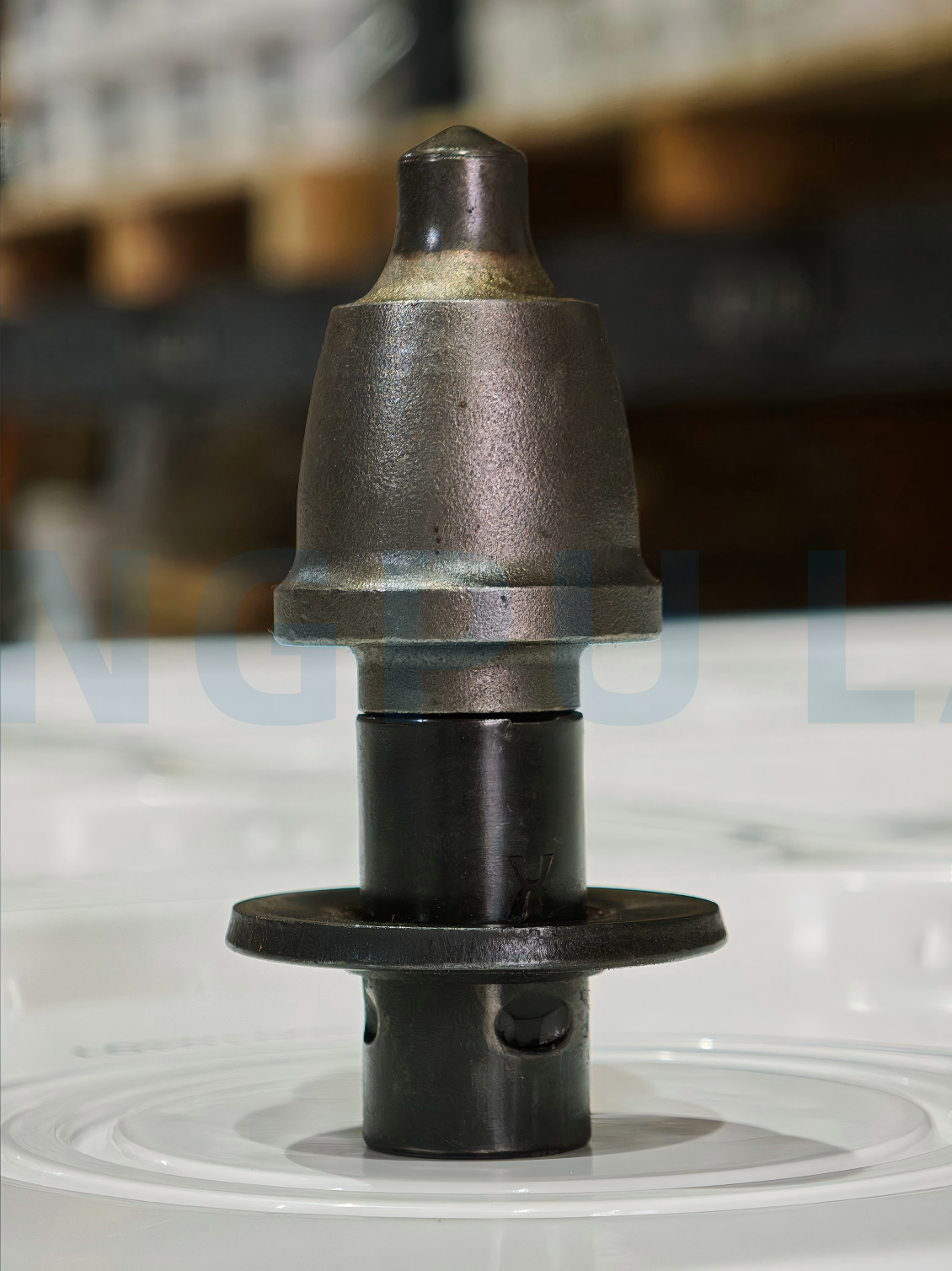
Standard steel bits fail quickly under continuous operational friction. They lose their cutting edge rapidly in abrasive conditions. Tungsten Carbide Road Milling Bits solve this wear problem completely. Carbide maintains its precise cutting geometry under extreme heat. This metallurgical advantage prevents the tool from blunting prematurely. Steel softens at high milling temperatures, but tungsten carbide retains its structural integrity. You achieve a cleaner cut for a longer duration.
Extending the operational life of a tool lowers its inherent carbon footprint. A longer lifecycle means fewer manufacturing cycles globally. We ship fewer heavy replacement parts to remote job sites. You generate significantly less on-site steel waste. Every extended hour of tool life reduces the industrial energy required to forge new steel bodies. Sustainable construction relies heavily on reducing this supply chain consumption.
High-strength brazing integrates the carbide insert into the steel body safely. This bonding process prevents premature tip loss during heavy vibration. The carbide insert must complete its maximum potential lifecycle. If the tip falls out, the entire steel body becomes useless scrap. Advanced induction brazing uses specialized copper alloys to absorb micro-shocks. This integration guarantees you extract maximum value from every piece of carbide manufactured.
Reclaiming asphalt requires precise mechanical actions. Crushing or tearing the asphalt destroys the internal aggregate structure. Precision cutting preserves the stone matrix. We must differentiate clearly between these two actions. A tearing action produces excess dust and unusable fine particles. A slicing action yields usable, highly structured aggregate.
Operators optimize this recovery process using Impact-Resistant Asphalt Milling Bits. Modified tip profiles absorb severe operational shock effectively. Reinforced body designs handle uneven pavements perfectly. They strike hidden manhole covers and tough base layers without fracturing. Traditional brittle tools shatter upon impact. Impact-resistant designs utilize specialized steel alloys in the body to flex slightly under extreme loads.
Gradation consistency determines the final market value of RAP. Uniform cutting patterns meet strict structural grading requirements. Asphalt plants reject poorly graded material because it weakens new pavement mixes. You must deliver consistent particle sizes to the plant.
Best Practices for Optimizing RAP Yield:
Select tip geometries suited specifically for the local aggregate hardness.
Monitor milling machine advance speeds to prevent aggregate shattering.
Audit the milled material daily through standard sieve analysis.
Adjust drum RPM continuously to match ambient pavement temperature changes.
Inspect the cutting drum pattern to ensure no single line degrades faster than others.
Procurement teams need reliable evaluation methods for sustainable purchasing. Selecting Wear-Resistant Road Milling Bits demands intense technical scrutiny. You must assess the carbide grade first. Match the cobalt binder ratio directly to your specific project environment. High-cobalt binders offer toughness for impact. Low-cobalt binders offer maximum hardness for abrasive concrete. Using the wrong binder ratio leads to rapid tool failure.
Protecting the holder and base block remains crucial. The tool body must shield the milling drum’s base block from abrasive wash. Exposed base blocks lead to catastrophic drum failure. Rebuilding a damaged drum wastes massive amounts of steel, labor, and money. A properly designed wear-resistant tool acts as a sacrificial shield for the expensive drum components.
Rotation efficiency dictates tool survival and energy usage. Optimal washer designs ensure continuous rotation during operation. Extraction grooves keep the assembly free of packed debris. Tools seize in the block when debris builds up. A seized tool wears flat on one side rapidly. This flat spotting ruins cutting efficiency and forces the machine to burn more fuel to push the dull metal through the pavement.
Validate all vendor claims rigorously before purchasing bulk orders. Request independent metallurgical testing reports. Demand field-tested lifecycle data from similar paving projects.
Evaluation Metric | Standard Requirement | Sustainability Impact |
|---|---|---|
Carbide Grain Size | Matched to aggregate abrasiveness | Prevents premature fracturing and material waste. |
Brazing Shear Strength | Minimum 350 MPa | Keeps tips intact, maximizing operational lifecycle. |
Body Wear Resistance | Hardened to 45-50 HRC | Protects drum blocks, reducing heavy steel replacement. |
Rotation Mechanism | Self-cleaning extraction grooves | Ensures even wear, keeping machine drag and emissions low. |
Advanced tooling always costs more upfront. You must model the payback correctly to justify the expense. Consider reduced machine downtime in your calculations. Factor in direct fuel savings from lower engine drag. Higher RAP market value offsets initial unit costs quickly. This equation proves the environmental ROI for stakeholders. Cheaper tools cost more in fuel, broken parts, and rejected asphalt material over the span of a single highway project.
Operator adoption remains a significant field risk. Poor operator habits negate the benefits of advanced tooling instantly. Incorrect milling advance speeds overheat the carbide inserts. Inadequate water cooling causes severe thermal shock, leading to cracked carbide. Operators need dedicated training on new tool characteristics. They must understand that premium tools require specific operational parameters to achieve sustainable results.
Maintenance realities dictate long-term success. Establish rigorous daily inspection protocols for your crews. Crews must ensure all tools rotate freely at the end of every shift. They should replace damaged parts systematically. Uniform replacement maintains sustainable milling efficiency across the entire drum. Leaving a mix of heavily worn parts and new parts in the drum accelerates wear on the new components. This poor practice creates uneven drag, spiking fuel consumption and destroying RAP consistency.
Adapting to sustainable road construction is not just about upgrading heavy machinery engines. It starts directly at the point of contact between the machine and the pavement. Selecting the right cutting tools dictates the environmental efficiency of the entire operation. From lowering diesel consumption to maximizing the reuse of old asphalt, precision tooling plays an irreplaceable role in modern paving.
To maximize these benefits, take immediate action. Advise procurement teams to audit their current bit replacement frequency closely. Assess your current RAP yield quality with local asphalt plants. Request structured field trials from suppliers of specialized carbide tools. Measuring localized ROI through field testing provides the undeniable data you need to build greener, more profitable roads.
A: Sharp, properly rotating bits slice through pavement with less resistance. Dull tools require the machine to use blunt force. This blunt force increases hydraulic pressure and pushes engine RPMs higher. Higher engine loads burn significantly more diesel, increasing both operational costs and greenhouse gas emissions.
A: Yes. By maintaining a sharp cutting edge longer, these tools produce a more consistent, cleanly cut aggregate. Asphalt plants can mix this high-quality, uniform aggregate at much higher percentages into new pavement without compromising structural integrity.
A: They prevent premature tool breakage during operation. Fewer broken tools mean less frequent manufacturing and transportation of replacements. This directly reduces the overall carbon footprint and energy consumption of the project's supply chain.
A: Despite their durability, crews should visually inspect them daily. Ensuring they rotate freely prevents uneven wear patterns. Continuous rotation is critical for maintaining precision cutting, avoiding excess machine energy usage, and generating optimal RAP material.


