

Views: 0 Author: Site Editor Publish Time: 2026-10-12 Origin: Site


Abrasive wear destroys mining operations daily. Equipment degradation causes massive unplanned downtime. Yield drops rapidly when machines stop running. Unprotected heavy machinery faces continuous high-impact environments. Crushers, chutes, and conveyors process massive volumes of iron ore, coal, and copper. Without proper protection, these machines suffer rapid structural failure. This forces premature capital expenditure replacements. Applying wear plates is a strategic engineering control. They act as the primary defense line for your most expensive assets. This guide evaluates how these plates function in the field. We compare material categories and establish a strict selection framework. You will learn how to match protection to specific operational stressors. We break down the exact mechanics of abrasion and impact. You get actionable data on material selection and installation procedures.
Sacrificial Protection: Wear plates act as a replaceable shield, absorbing kinetic energy and abrasive friction to preserve the structural integrity of the underlying OEM equipment.
Material Matching is Critical: Selecting the correct plate requires balancing hardness (for sliding abrasion) with toughness (for heavy impact), as over-indexing on hardness can lead to catastrophic cracking under high-impact loads.
Component-Specific Engineering: Specialized applications—such as scraper conveyor wear resistant components—require tailored alloys and attachment methods to maintain material flow without exceeding equipment payload limits.
Mechanical wear destroys steel surfaces relentlessly. Gouging abrasion happens when heavy rocks strike equipment directly. This occurs frequently in primary jaw crushers and heavy-duty excavator buckets. The massive force removes large chunks of metal instantly. High-stress grinding abrasion occurs inside crushing chambers. Cone crushers and roll crushers trap material between two metal surfaces. The immense pressure fractures the ore and grinds away the steel. Low-stress scratching abrasion comes from sliding materials. Transfer chutes and conveyor skirts experience this constantly. Fine particles drag across the surface, removing metal layer by layer.
Tribo-corrosion makes the mechanical problem much worse. Mechanical wear combines with chemical corrosion to destroy equipment. Acidic mine water attacks exposed steel surfaces. High-sulfur coal creates highly reactive environments. The mechanical action continuously scrapes away the protective oxide layer. This exposes fresh steel to the corrosive elements. The synergy accelerates material degradation rapidly. Standard abrasion rates multiply under these harsh conditions. You must account for both mechanical and chemical threats when designing protection systems.
Wear Mechanism | Primary Cause | Typical Equipment Affected | Recommended Defense Strategy |
|---|---|---|---|
Gouging Abrasion | Heavy rock impact | Jaw crushers, excavator buckets | High-toughness manganese or AR400 steel |
Grinding Abrasion | Crushing under extreme pressure | Cone crushers, roll crushers | AR500 steel, White Iron blocks |
Scratching Abrasion | Sliding particulates and fines | Transfer chutes, conveyor skirts | CCO plates, Ceramic liners |
Tribo-Corrosion | Mechanical wear plus chemical attack | Wet processing plants, slurry pumps | High-chrome alloys, specialized composites |
Wear costs extend far beyond replacement parts. You must calculate direct replacement costs accurately. Add the labor hours required for cutting, welding, and installation. Factor in the lost production per hour of downtime. Unplanned stops destroy site profitability quickly. Bringing in emergency welding crews adds massive overtime expenses. Effective wear protection extends the mean time between failures. The primary goal is aligning repairs with scheduled plant maintenance shutdowns. Predictable maintenance keeps operations profitable. Unpredictable failures ruin production targets.
Consider a primary crusher handling copper ore. If the hopper liners fail mid-shift, the entire processing plant starves for material. The cost of the replacement liner is negligible compared to the lost revenue from a halted plant. Engineers must view wear liners as an insurance policy for production throughput. Spending more on high-grade alloys upfront prevents catastrophic mid-shift failures. You measure success by how many continuous hours the equipment runs without intervention.
Heavy materials fall into primary crushers constantly. Boulders weighing several tons drop from significant heights. The impact generates massive kinetic energy. Wear Resistant Plates absorb this massive shock. The metallurgical structure dissipates the force across a wider area. This prevents micro-fractures in the equipment chassis. Without proper absorption, the main frame cracks under the strain. Impact energy must go somewhere. The plates take the hit so the machine survives.
Yield strength and plastic deformation play huge roles here. Tough plates deform slightly to absorb the blow without shattering. When a massive rock hits a rigid, brittle surface, the energy reflects back, causing the plate to crack. When it hits a tough plate, the steel yields microscopically. This absorbs the kinetic energy safely. Engineers sometimes use rubber-backed ceramic plates for extreme impact zones. The rubber compresses, absorbing the shock wave before it reaches the steel backing.
Think of these plates as a dedicated sacrificial layer. They degrade over a predictable, monitored timeline. The permanent structural steel remains completely untouched. Replacing a chassis costs millions of dollars. Replacing a plate costs a fraction of that amount. You bolt or weld the shield securely in place. It takes the daily abuse from rocks and ore. You swap it out when ultrasonic testing shows critical wear. The high-cost OEM equipment stays intact for decades.
This shielding strategy is mandatory for heavy industry. You never want raw ore touching the structural frame of a dump truck or a loader bucket. The sacrificial layer takes all the gouging and scratching. Maintenance teams track the degradation rate monthly. They order replacement plates well before the current ones wear through. This guarantees the structural integrity of the machine never faces compromise.
Material hang-ups cause severe production bottlenecks. Rough, worn surfaces trap ore and fine coal. Cohesive materials like wet clay stick to damaged steel. Polished or specialized alloy plates reduce friction significantly. They lower the coefficient of friction across the entire surface. This prevents bridging and blockages in chutes. Hoppers clear faster and more consistently during discharge. Smooth flow increases hourly throughput dramatically.
Less friction also means less scratching abrasion. The material glides over the surface instead of digging into it. When material flows smoothly, it maintains its velocity. Slow-moving material builds up, creating a choke point. Choke points force the plant to shut down for manual clearing. Installing low-friction liners in critical transfer points eliminates these blockages. The plant runs continuously, maximizing daily yield.
Mining environments expose metal to harsh, reactive chemicals daily. Corrosive slurries eat through mild steel rapidly. Acidic water causes rapid oxidation and structural weakening. Specialized alloyed plates provide a robust chemical barrier. High-chrome alloys resist pitting and rust formation effectively. The underlying structural components stay dry and protected. This chemical resistance extends component life drastically.
You must seal the joints between plates to prevent acid seepage. Proper installation ensures the corrosive slurry never touches the base metal. Welders use specialized corrosion-resistant filler metals to seal the gaps. If acidic water gets behind the plate, it destroys the backing steel unseen. The plate will eventually fall off, even if the wear surface remains intact. Complete sealing is non-negotiable in wet processing plants.
Primary crushers face extreme impact requirements daily. Massive boulders drop directly onto the metal surfaces. You need plates with exceptional toughness here. Transfer chutes deal mostly with high-speed sliding abrasion. The material moves quickly across the metal, acting like sandpaper. Dead-box designs help manage this aggressive flow. They trap material to create rock-on-rock wear zones. Adding plates to dead-boxes maximizes your structural protection.
You must match the plate alloy to the specific zone. Do not use brittle materials in the drop zones. A dead-box intentionally traps a layer of ore. The incoming material then hits the trapped material instead of the steel plate. Wear plates are used to build the box itself. This design extends the life of the chute exponentially. However, the lip of the dead-box still takes heavy wear and requires frequent liner replacement.
Excavators dig through highly abrasive ground constantly. Bucket lips wear down quickly without protection. Heel bands and side cutters take heavy abuse during breakout. Installing plates here maintains penetration efficiency. The bucket geometry stays sharp and highly effective. Dull buckets require significantly more fuel to dig. Protected buckets cut through earth cleanly and quickly.
Weld-on lip shrouds and wing shrouds provide targeted defense. You replace these specific parts rather than rebuilding the whole bucket. The heel of the bucket drags across the ground during every cycle. Thick AR500 plates welded to the heel prevent the bucket floor from wearing thin. Side cutters protect the structural integrity of the bucket walls. Proper bucket armoring reduces fuel consumption and cycle times.
Underground mining places massive stress on conveyor systems. Longwall coal mining runs continuously without breaks. The chain pulls heavy loads across steel decks relentlessly. scraper conveyor wear resistant components handle this extreme tension. They integrate directly into flights, chain guides, and return decks. The friction from the chain and coal is relentless.
Proper protection stops the chain from eating through the deck pan. You must use materials that handle both sliding wear and heavy chain impacts. The flight bars drag coal along the pan at high speeds. If the pan wears unevenly, the chain can jump the sprockets. This causes catastrophic failure and halts the entire longwall operation. High-grade liners keep the pan smooth and the chain aligned.
Material transfer must remain smooth and uninterrupted. wear resistant scraper conveyor chutes manage this heavy flow. They resist the severe gouging action of trapped particulates. Coal and hard rock get stuck under the moving chain. This creates deep, destructive grooves in unprotected steel. Engineered chutes maintain their surface integrity under pressure.
They keep the material moving without snagging or tearing. Upgrading these chutes prevents catastrophic chain failures. When a chute wears through, coal spills into the mine workings. This creates a massive safety hazard and requires manual cleanup. Armoring the transfer points ensures the coal stays contained. It flows directly from the face to the main belt without interruption.
Standard abrasion-resistant steels dominate many mining sites. AR400 and AR500 are very common choices. They undergo strict quenching and tempering processes at the mill. The Brinell hardness scale measures their resistance accurately. Higher hardness generally means better wear life. However, you must balance hardness with formability. Weldability drops significantly as hardness increases.
Through-hardened steel provides consistent protection throughout its entire thickness. When the top layer wears away, the metal underneath is just as hard. This makes AR steel highly predictable. Maintenance teams know exactly how long a half-inch AR400 plate will last in a specific chute. They can schedule replacements with high confidence. AR400 offers excellent impact resistance, while AR500 handles sliding abrasion better.
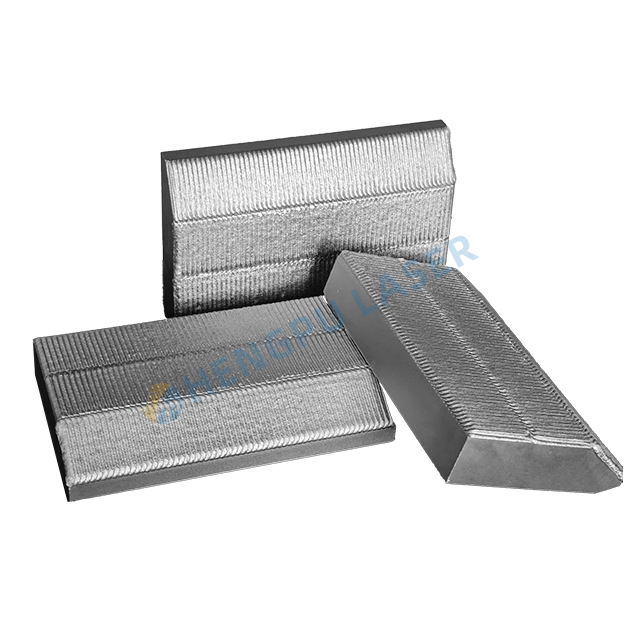
CCO plates use a specialized bimetallic structure. A tough mild steel backing provides excellent structural support. A highly abrasion-resistant chromium carbide layer is welded on top. This clad layer handles extreme sliding abrasion effortlessly. The backing plate absorbs moderate impact without cracking. These plates excel in high-wear chute and hopper applications.
They outlast standard AR steel significantly in sliding environments. You can roll or form CCO plates if you follow strict radius guidelines. The cracks in the overlay are normal and relieve welding stress. These stress-relief cracks do not affect the wear performance. The hard carbide nodules take the brunt of the sliding friction. The mild steel backing makes welding the plate to the equipment straightforward and secure.
Extreme iron ore applications destroy standard plates quickly. Hard rock mining requires high-performance material alternatives. Tungsten carbide matrix plates offer superior lifespan in these zones. Specialized composite plates replace standard competitor options. They handle environments where traditional AR steel fails prematurely. The tungsten particles embed in a tough matrix.
This provides extreme hardness without the typical brittleness. These advanced materials cost more upfront. They pay off through massive lifespan extensions and reduced labor. You use these in the most aggressive wear zones in the plant. A tungsten matrix plate can last five times longer than AR500 in a high-speed transfer chute. This drastically reduces the frequency of confined-space maintenance work.
Non-traditional plates fit very specific operational niches. Ceramic liners offer exceptional sliding wear resistance. Alumina tiles handle fine, abrasive slurries perfectly. White iron provides similar high-end abrasion defense. The major trade-off is extreme brittleness. These materials shatter instantly under direct, heavy impact. You use them strictly in high-speed sliding zones.
Keep them far away from primary crusher drop zones. Epoxy or specialized bolts hold ceramic tiles in place. Mechanical fastening works best for white iron blocks. White iron is often cast into specific shapes to fit complex chute geometries. It provides massive sliding wear resistance but requires careful handling during installation. Dropping a white iron liner on a concrete floor can crack it before it even gets installed.
Material Type | Typical Hardness (HBW) | Impact Resistance | Best Application |
|---|---|---|---|
AR400 Steel | 360 - 440 | Excellent | High impact, moderate sliding |
AR500 Steel | 470 - 540 | Moderate | High sliding, low impact |
CCO Plate | 550 - 700+ | Low to Moderate | Extreme sliding abrasion |
Tungsten Matrix | 700+ | Moderate | Severe localized wear zones |
Selecting materials requires a strict, logical decision matrix. High impact zones need high toughness materials. Manganese steel works well here because it work-hardens upon impact. High abrasion zones need high hardness materials. "Harder is always better" is a dangerous, costly trap. Over-hardened plates shatter under heavy loads. A cracked plate provides zero protection and damages the conveyor belt.
You must balance the two properties carefully. Map the impact zones before choosing the specific alloy. If a chute sees heavy boulders dropping from three meters, you cannot use CCO or ceramic. You must use AR400 or manganese. If the chute only sees fine sand sliding at high speeds, AR400 will wear out too fast. You must switch to CCO or ceramic. Match the metallurgy to the physics of the material flow.
Maintenance teams must audit existing mining equipment wear parts regularly. Look for clear signs of premature failure. Deep gouging indicates insufficient hardness for the application. Cracking points to inadequate toughness or improper welding. These signs justify upgrading your materials immediately. Moving from standard AR plates to CCO makes sense for sliding wear. Composite materials solve chronic failure points in transfer chutes.
Follow this strict audit process to evaluate your current liners:
Clean the equipment surface thoroughly to expose the bare metal and remove all caked-on ore.
Calibrate the ultrasonic thickness gauge on a known sample of the exact same alloy.
Map the surface into a grid pattern to isolate and identify high-wear zones accurately.
Take thickness readings at each grid intersection and record the data in the maintenance log.
Compare current thickness against the original baseline to calculate the exact wear rate per month.
Heat changes steel properties drastically. Handling hot slag affects the temper of the metal. Deep underground environments trap heat and humidity. Elevated temperatures reduce the hardness of standard AR steel. The plate softens and wears much faster than expected. You must specify heat-resistant alloys for high-temperature zones. Always check the operating temperature before installation.
Some CCO plates handle heat much better than Q&T steel. Match the metallurgy to the thermal environment. If you put AR500 in a 400-degree Celsius environment, it will lose its temper and revert to mild steel hardness. The wear rate will skyrocket. Specialized chromium carbide overlays maintain their hardness at elevated temperatures. You must audit the thermal conditions just as rigorously as the mechanical conditions.
Thick plates add massive weight to your machinery. Mobile equipment suffers heavily from this extra load. Dump trucks and excavators lose payload capacity instantly. Every ton of steel reduces the ore you can carry. Utilizing thinner, higher-grade plates solves this problem. You maintain protection while dropping significant weight. This increases your allowable payload and fuel efficiency.
Engineers must calculate the exact payload loss before adding thick liners to truck beds. A standard haul truck bed lined with one-inch mild steel carries dead weight. Upgrading to half-inch AR500 provides the same wear life but cuts the liner weight in half. That weight savings translates directly into more ore hauled per cycle. Over a year, that increased payload generates massive additional revenue.
Installing plates requires strict, documented procedures. Pre-heating the base metal is often mandatory. You must use low hydrogen welding consumables like E7018 rods. Failing to do this causes heat-affected zone cracking. The plate will fall off during heavy operation. Welded installations offer permanent, rigid security. Mechanical bolting allows for easier change-outs. Bolting works best in confined spaces where welding is dangerous.
Follow these strict welding procedures to ensure plate retention:
Preheat the base metal to prevent thermal shock and eliminate moisture contamination in the joint.
Remove all existing hardfacing or work-hardened material from the weld zone using a grinder.
Use low-hydrogen electrodes to minimize the risk of hydrogen-induced underbead cracking.
Apply stitch welds rather than continuous welds to reduce total heat input and prevent plate distortion.
Allow the welded assembly to cool slowly in ambient air; never quench the weld with water.
You cannot guess when a plate will fail. Use ultrasonic testing to monitor thickness accurately. Visual wear indicators help spot trouble early. Map your wear patterns accurately on a grid. Use thicker plates only in high-wear zones. Use thinner plates where wear is minimal. This strategy saves weight and reduces material costs. Schedule replacements during planned plant outages.
Never let a plate wear down to the base metal. The structural damage will cost ten times more than the plate. Implement a predictive maintenance schedule based on your ultrasonic thickness data. If a plate loses two millimeters per month, and has ten millimeters of usable life, you know exactly when to order the replacement. This eliminates emergency shutdowns and keeps the plant running smoothly.
Conduct a thorough wear audit of all existing machinery using ultrasonic thickness gauges to establish accurate degradation baselines.
Identify the primary wear mechanism for each specific zone to separate heavy impact issues from high-speed sliding abrasion.
Request detailed material data sheets from your suppliers before purchasing any new liners to verify hardness and toughness ratings.
Consult with application engineers to verify your selected attachment methods and low-hydrogen welding procedures.
Implement a regular testing schedule to predict replacements accurately and avoid catastrophic emergency plant shutdowns.
A: The main difference lies in their Brinell hardness rating. AR500 offers higher abrasion resistance, making it ideal for severe sliding wear. However, AR500 has lower formability and impact toughness than AR400. AR400 provides a better balance for applications requiring bending, welding, and moderate impact resistance.
A: Common attachment methods include plug welding, perimeter welding, and mechanical bolting. Welding provides a secure, permanent bond but requires cutting and grinding for removal. Mechanical bolting allows for much faster replacement speeds, especially in confined spaces, though the bolt heads can be vulnerable to wear.
A: Yes, but it depends on the hardness. Lower hardness plates like AR400 can be cold-formed using heavy press brakes. Higher hardness plates, such as AR500 or Chromium Carbide Overlay (CCO) plates, have severe forming limitations and are highly susceptible to cracking if bent beyond their narrow tolerances.
A: A CCO plate is a composite material featuring a tough mild steel backing fused with an extremely hard, abrasion-resistant welded overlay. This bimetallic structure makes it ideal for handling severe sliding wear while still allowing the backing plate to absorb moderate impacts and facilitate easier welding.
A: Replacement intervals depend entirely on the abrasive nature of the material handled, daily throughput volume, and the specific plate material used. Maintenance teams should conduct regular ultrasonic thickness testing to monitor degradation and schedule replacements during planned plant shutdowns to avoid unexpected failures.
A: Yes, adding steel plates increases overall equipment weight. Engineers must calculate payload trade-offs carefully. To maximize efficiency on mobile equipment like dump trucks and excavators, operations often opt for thinner, ultra-high-hardness steel plates to save weight while maintaining necessary protection levels.


