

Views: 0 Author: Site Editor Publish Time: 2026-10-05 Origin: Site


Heavy-duty industrial operations destroy standard structural steel. Friction, impact, and abrasion tear through base machinery components in bulk material handling, mining, and heavy construction. When you rely on mild steel in these environments, you face constant equipment failure and unplanned downtime. Replacing entire structural frames ruins profitability through massive labor hours and lost production. You need a sacrificial shield. Wear Resistant Plates take the abuse so your capital equipment does not. This guide breaks down primary applications, material categories, and technical evaluation criteria. You will learn how to specify the right wear protection for your exact operational environment, shifting your maintenance strategy from emergency rebuilds to predictable, modular replacements.
Primary Function: Wear plates absorb extreme abrasion and impact, protecting the expensive base structures of industrial machinery, subduing premature wear, and extending equipment lifecycles across multiple business sectors.
Material Diversity: Solutions range from standard Quenched and Tempered (Q&T) AR steel to advanced tungsten carbide wear plates, each engineered for specific wear mechanisms.
The Core Trade-off: Specifying wear plates requires balancing surface hardness (for sliding and rolling abrasion) with structural toughness (for heavy kinetic impact) while accounting for weight limitations.
ROI Driver: Proper specification reduces maintenance frequency, meaning the higher upfront cost of premium plates is offset by maximized operational uptime and long-term profitability.
Industrial machinery faces multiple distinct wear mechanisms. You cannot specify effective protection until you identify the exact forces destroying your equipment. Sliding abrasion occurs when materials scrape across a surface under pressure. Think of silica sand moving down a steel chute. It acts like coarse sandpaper, slowly shaving away the metal. Rolling abrasion happens when hard particles get trapped between two moving surfaces. Crushed rock caught between a conveyor belt and a steel idler roller crushes and grinds the metal away.
Gouging presents a more severe threat. It involves large, heavy materials digging directly into the steel and tearing away large chunks of the surface. You see this when excavator bucket teeth drag through solid granite. Heavy impact involves pure kinetic force. When a loader drops fifty tons of boulders into a haul truck bed, the steel must absorb that massive shock without shattering. Corrosive wear accelerates all these mechanisms. When moisture, acidic mine water, or harsh chemicals mix with abrasive materials, they eat away the steel's surface, exposing fresh metal to further abrasion. Identifying which of these forces dominates your operation dictates your material choice.
Not all wear zones require the same approach. Large-area wear protection covers expansive surfaces that handle high volumes of material. Dump truck beds, massive hopper walls, and long transfer chutes need broad coverage. Operators typically line these entire surfaces with large sheets of abrasion-resistant steel. The goal here is broad, cost-effective coverage that extends the life of the entire structure.
Localized protection targets high-intensity wear zones. Excavator bucket lips, crusher teeth, and conveyor transfer points face extreme, concentrated abuse. These specific areas require specialized, ultra-hard materials. Applying premium materials only where they are strictly needed helps manage weight and installation complexity. You protect the high-wear zones with top-tier alloys while using standard wear plates for the surrounding areas.
A successful wear plate implementation matches the specific wear mechanism perfectly. If you install a highly brittle plate in a high-impact zone, it will crack and fail immediately. The plate must maintain structural integrity under its expected load. Good wear protection also offers predictable wear rates. Maintenance planners need to know roughly how long a plate will last. This predictability allows them to schedule replacements during planned plant outages, avoiding mid-shift failures that halt production.
Relying on standard mild steel forces maintenance teams into a reactive posture. They constantly patch holes and rebuild structural frames under emergency conditions. Utilizing sacrificial industrial wear resistant parts changes this dynamic. Maintenance becomes preventative. Teams monitor the wear on the sacrificial plates and schedule modular replacements before the base structure takes any damage. This modular approach drastically reduces repair time. You cut out the old plate, weld in the new one, and get the machine back to work.
The mining sector presents the most hostile environments for heavy machinery. Raw ore and blasted rock deliver relentless punishment. Haul truck beds require thick, tough plates to survive the kinetic impact of loading operations. The floor of the bed takes the brunt of the impact, while the tail takes severe sliding abrasion as the load dumps. Excavator buckets need extreme gouging resistance on their cutting edges, side shrouds, and heel bands. Crushers and screeners rely on heavy-duty liners to withstand massive compressive forces. Transfer chutes move thousands of tons of abrasive rock daily. They demand continuous, large-area wear protection to prevent structural blowouts that spill ore across the plant floor.
Bulk material handling systems operate under continuous friction. Whether moving coal, grain, or cement clinker, the sliding abrasion never stops. Chutes, hoppers, and silos require slick, hard liners to keep materials flowing without wearing through the steel walls. Material hang-ups cause bottlenecks, so the wear plates must maintain a smooth surface even as they degrade.
Conveyor systems face unique challenges. Chain-driven systems drag heavy loads across steel decks. Effective scraper conveyor wear protection is mandatory to prevent chain and flight degradation. Without hardened liners along the conveyor floor and side walls, the continuous scraping action quickly destroys the structural housing. This leads to massive material spills, broken chains, and halted production. You must line the entire drag path with materials that resist continuous grooving.
These facilities combine high abrasion with extreme temperatures. In cement plants, raw meal and clinker act as powerful abrasives. Cyclones, hoppers, and exhaust fans face high-velocity particle wear. The fine dust acts like a sandblaster, eroding steel components rapidly. Steel mills deal with red-hot slag and heavy scrap metal. They require plates that will not lose their hardness when exposed to high heat. Power generation facilities, particularly coal-fired plants, need specialized liners in their pulverizers and ash handling systems to combat fine-particle erosion and chemical corrosion.
Earthmoving equipment operates in highly abrasive soils containing silica sand and sharp rocks. Bulldozers, graders, and wheel loaders require durable wear plates on their moldboards and bucket bottoms. The undercarriages of tracked vehicles also face severe grinding action. By welding hardened wear bars and plates to these high-friction areas, contractors maintain sharp cutting edges and protect the expensive structural frames of their heavy equipment. A worn bucket lip reduces digging efficiency and burns more fuel, making wear protection a direct factor in operational efficiency.
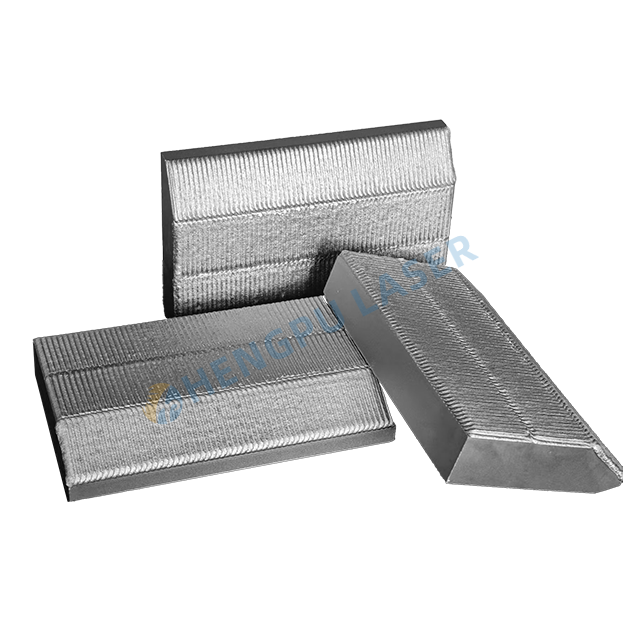
AR steel serves as the industry standard for general wear protection. Grades typically range from AR400 through AR600. The number indicates the nominal Brinell Hardness Number (BHN). The manufacturing process involves heating the steel to its austenitizing temperature, then rapidly quenching it in water. This rapid cooling forms a hard martensitic microstructure. The steel is then tempered, or reheated slightly, to restore some ductility and relieve internal stresses. AR400 offers excellent impact resistance and is easy to form and weld. AR500 provides significantly longer wear life in sliding abrasion but is harder to bend. AR600 handles extreme sliding wear but is highly brittle. You cannot use AR600 in high-impact zones because it will shatter.
CCO plates feature a bi-metal construction. They consist of a mild steel base plate with a highly abrasive-resistant weld overlay applied to the surface. Manufacturers use submerged arc welding to lay down thick beads packed with chromium carbides. These carbides make the surface exceptionally hard, often exceeding 600 BHN. The mild steel backing allows you to easily weld or bolt the plate to machinery. The backing also absorbs some impact energy, preventing the hard overlay from cracking completely off. CCO plates excel in environments with extreme sliding abrasion and moderate impact, such as chute liners, hopper walls, and fan blades.
For environments requiring the absolute highest level of localized abrasion resistance, operators turn to tungsten carbide wear plates. Tungsten carbide is significantly harder than chromium carbide. Manufacturers create these plates by embedding tungsten carbide particles into a steel or nickel matrix. While they carry a high upfront cost, they offer an exponential increase in wear life. They are ideal for high-wear localized zones like ground-engaging tools, scraper blades, and specialized cutting edges where standard steel fails in days. The extreme hardness prevents the grooving and galling that destroys softer metals.
Advanced material handling systems increasingly rely on ceramics. ceramic reinforced conveyor wear parts integrate alumina or silicon carbide tiles embedded within a rubber or steel matrix. The ceramic provides unmatched resistance to high-velocity, fine-particle abrasion. The rubber or steel backing absorbs kinetic energy, preventing the brittle ceramic from shattering upon impact. Manufacturers use a vulcanization process to bond the ceramic and rubber permanently. These hybrid materials are highly effective in wet, abrasive environments and high-speed transfer chutes where traditional steel liners wear out prematurely.
Material Type | Primary Wear Resistance | Impact Tolerance | Best Application Use Cases |
|---|---|---|---|
AR400 Steel | Moderate Sliding/Gouging | High | Haul truck beds, excavator buckets, heavy structural liners |
AR500 Steel | High Sliding/Gouging | Moderate | Deflector plates, cutting edges, heavy-duty chutes |
Chromium Carbide Overlay (CCO) | Extreme Sliding Abrasion | Low to Moderate | Hopper walls, fan blades, continuous friction zones |
Tungsten Carbide Plates | Ultimate Localized Abrasion | Low | Scraper blades, localized impact zones, ground-engaging tools |
Ceramic Reinforced Matrices | High-Velocity Fine Particle | Moderate (with rubber backing) | High-speed transfer chutes, wet slurry environments |
Specifying wear plates requires a strict balancing act between hardness and toughness. Hardness dictates how well the surface resists scratching and sliding abrasion. We measure this using the Brinell Hardness Number (BHN). Toughness dictates how much kinetic energy the steel can absorb before cracking. We measure this using the Charpy V-Notch (CVN) impact test. As hardness increases, toughness generally decreases. If you select an ultra-hard plate for a rock crusher, the heavy kinetic impacts will shatter it. Conversely, if you use a highly tough but soft plate in a sand chute, the sliding friction will wear it away rapidly. You must match the material's properties to the dominant force in your specific application.
Surface hardness alone is insufficient for heavy industrial applications. Some inferior plates are only hard on the outer layer. Once that thin surface breaches, the softer core wears away rapidly, leading to unexpected failures. Premium wear plates rely on precise alloying control. Elements like carbon, manganese, chromium, and boron are carefully balanced during the manufacturing process. This ensures consistent hardness through the entire thickness of the plate. When evaluating materials, always request documentation verifying through-thickness hardness to guarantee predictable wear rates. A plate that drops 50 BHN in the center will fail much faster than a fully hardened plate.
Standard AR steel loses its structural integrity when exposed to high heat. Temperatures above 400°F (200°C) can anneal the steel. This effectively reverses the quenching process and softens the plate. For high-temperature environments like cement clinker coolers or steel mill slag chutes, you must specify specialized heat-resistant alloys or CCO plates. Additionally, wet environments introduce corrosive wear. If your application involves acidic moisture or salt, you may need stainless steel wear plates or specialized ceramic liners to prevent rapid degradation. Corrosion eats the metal, and abrasion wipes away the rust, constantly exposing fresh metal to the cycle.
How you attach the plate impacts your maintenance schedule. Welding provides a permanent, seamless fit, but it requires skilled labor, specialized consumables, and significant downtime to cut out and replace. Plug welding is common for large sheets. You cut holes in the wear plate and weld inside the holes to attach it to the base structure. Mechanical fastening, using countersunk bolts, allows for rapid field replacement. Bolted plates are ideal for high-wear zones where maintenance teams need to swap parts quickly during short operational pauses. However, bolts can loosen under heavy vibration, requiring regular inspection and torque verification.
High-hardness plates present severe fabrication limits. You cannot easily bend or machine AR500 or AR600 steel. Cutting these materials requires plasma, laser, or abrasive waterjet systems. Standard oxy-fuel cutting creates massive heat-affected zones that ruin the plate's hardness along the cut edge. Drilling holes requires specialized carbide-tipped tooling and rigid drill presses. When designing wear liners, you must account for these machining constraints. Often, it is better to order plates pre-cut and pre-drilled from the manufacturer rather than attempting complex fabrication in the field.
Fabrication Method | AR400 Compatibility | AR500 Compatibility | CCO Plate Compatibility |
|---|---|---|---|
Cold Bending | Good (Requires large radius) | Poor (High risk of cracking) | Very Poor (Base plate only) |
Oxy-Fuel Cutting | Acceptable (Pre-heat required) | Not Recommended (Softens edge) | Acceptable (Cut from base side) |
Plasma/Laser Cutting | Excellent | Excellent | Excellent |
Machining/Drilling | Fair (Standard tooling) | Difficult (Carbide tooling only) | Extreme Difficulty (EDM preferred) |
Excessive heat input during installation is a major risk. When you weld high-hardness steel, the heat alters the metallurgy of the surrounding area, creating a Heat-Affected Zone (HAZ). This area can become localized, soft, or highly brittle, leading to cracking under load. Hydrogen embrittlement is another severe risk. Moisture in the welding consumables introduces hydrogen into the weld pool, causing delayed cracking. To mitigate this, welders must strictly adhere to low-hydrogen welding practices. Controlling heat input, utilizing the correct filler metals, and applying proper pre-heating and post-weld heating protocols are mandatory to maintain the plate's structural integrity.
A common mistake is assuming thicker is always better. Choosing the thickest plate available adds massive unnecessary dead weight. In mobile equipment like haul trucks and excavator buckets, this extra weight reduces the machine's payload capacity and drastically increases fuel consumption. Every pound of steel you add is a pound of payload you lose. Instead of adding thickness, mitigate wear by utilizing higher-grade materials. Upgrading from AR400 to a thinner AR500 plate can maintain or even extend the wear life while shedding thousands of pounds of dead weight from the vehicle.
When you weld dissimilar metals together in wet environments, you risk galvanic corrosion. The more active metal acts as an anode and corrodes rapidly, compromising the structural joint. This is a specific risk when attaching stainless steel or certain CCO plates to standard mild steel frames in wet processing plants. To mitigate this risk, maintenance teams must select proper transition metals for welding. You must also apply heavy environmental sealing to keep moisture away from the dissimilar metal joints, breaking the electrical circuit that causes the corrosion.
Wear resistant plates are highly engineered solutions, not one-size-fits-all commodities. They must be matched precisely to the dominant wear mechanism, whether that is heavy kinetic impact or continuous sliding abrasion. Decision-makers must audit their failed components, calculate the true cost of unplanned downtime, determine payload restrictions, and select the material grade that maximizes operational efficiency and delivers the lowest long-term maintenance expense over the equipment's entire lifecycle.
To implement an effective wear protection strategy, follow these actionable steps:
Conduct a comprehensive wear audit on your most frequently replaced machinery components to identify the exact mechanisms causing failure.
Measure your current operational parameters, including material drop heights, operating temperatures, and moisture levels, to narrow down suitable material categories.
Consult with a metallurgist or specialized supplier to map wear patterns and specify exact plate grades, thicknesses, and attachment methods for your high-risk zones.
Transition your maintenance schedules from reactive patching to planned, modular plate replacements based on predictable wear rates.
A: The primary difference is the Brinell Hardness Number. AR500 is significantly harder than AR400, offering superior resistance to sliding and gouging abrasion. However, this increased hardness makes AR500 more brittle, meaning it has lower impact toughness and is much harder to bend, form, or weld compared to AR400.
A: Thickness depends entirely on the drop height and the size of the material hitting the plate. Thicker plates absorb more kinetic energy. However, upgrading to a tougher alloy with consistent through-thickness hardness can often allow you to use a thinner, lighter plate without sacrificing impact resistance.
A: High-hardness plates require plasma, laser, or abrasive waterjet cutting to prevent warping and hardness loss. Welding requires low-hydrogen consumables, strict heat input control, and often pre-heating the steel to prevent hydrogen-induced cracking in the heat-affected zone.
A: For continuous, high-friction sliding and rolling abrasion found in scraper conveyors, Chromium Carbide Overlay (CCO) plates or ceramic reinforced conveyor wear parts are highly effective. They provide a slick, ultra-hard surface that resists grooving and extends chain life.
A: In severe sliding abrasion applications, tungsten carbide can outlast standard AR steel by a factor of 5 to 10. While the initial investment is higher, the exponential increase in wear life drastically reduces maintenance downtime in extreme localized wear zones.
A: Lower hardness grades like AR400 and AR450 can be cold-formed or rolled, though they require significant force and large bend radii. Extreme hardness plates, such as AR600 or CCO plates, generally cannot be easily formed and must be cut to fit flat applications.


