

Views: 0 Author: Site Editor Publish Time: 2026-10-19 Origin: Site


The efficiency of cold planing and asphalt removal is dictated by the precise interaction between the milling drum and the pavement. This makes the physical dimensions of the cutting tools a critical operational variable. When equipment operators deploy the wrong tool sizes, the entire milling operation suffers. Selecting incorrect tool sizes or mismatched profiles leads to accelerated tool wear and increased fuel consumption. It also causes severe tool holder damage and costly unplanned downtime on the job site.
Understanding the exact specifications of Road Milling Teeth prevents these cascading failures. This guide breaks down the available sizes, dimensional standards, and structural variations of these cutting tools. We will explore how shank diameters, carbide geometries, and wear plate dimensions interact with different pavement types. Fleet managers and contractors can use this technical breakdown to specify the exact tooling required for their equipment and specific project conditions.
Shank diameter is the primary sizing metric, with 20mm and 22mm being the industry standards for round shank cutter bits on cold planers, dictating compatibility with the machine’s tool holder system.
Tungsten carbide tip dimensions and geometries must be matched to material hardness; smaller, sharper tips excel in hard materials, while wider, blunter tips are suited for abrasive, softer asphalt.
Wear plate diameter (ranging from standard sizes up to 48mm heavy-duty options) plays a vital role in protecting the tool holder and extending the lifespan of the milling drum.
Effective road milling pick selection requires balancing penetration capabilities with overall tool longevity to optimize the cost per linear meter, aiming to exceed general-purpose benchmarks of 600-1,000 linear meters.
To evaluate tooling options effectively, buyers must first understand which specific dimensions impact fitment, cutting performance, and holder protection. A milling tooth is not a single uniform piece of metal. It is an engineered assembly of distinct zones. Each zone serves a specific mechanical purpose during the cutting cycle. When you understand how these zones measure up, you can prevent premature failures and optimize your milling drum's efficiency.
The shank serves as the foundational mounting point of the round shank cutter bit. It anchors the entire cutting tool into the drum's holder system. Shank diameter dictates absolute compatibility. If the diameter is wrong, the tooth simply will not fit. Standard road milling teeth rely on precise shank dimensions to absorb massive shear forces during operation.
Shank length impacts the seating depth within the tool holder. A shank that is too short will not engage the retaining mechanism properly. A shank that is too long may bottom out inside the holder bore, preventing the wear plate from seating flush against the holder face. This gap allows abrasive fines to pack into the holder, leading to rapid internal wear.
Retaining clips and tension sleeves maintain a secure fit based on exact shank dimensions. These spring-steel sleeves compress when driven into the holder. They expand outward to grip the internal walls. The tension must be perfect. If it is too tight, the tooth cannot rotate, causing flat-spotting. If it is too loose, the tooth vibrates excessively, destroying the holder bore.
The carbide insert does the actual cutting. Its dimensions—specifically length, width, and overall volume—determine how the tool interacts with the aggregate. Larger carbide volumes generally offer longer wear life in highly abrasive conditions. However, larger inserts require more downward pressure from the machine to penetrate the pavement.
Structural differences in tip geometry change the cutting dynamics completely. We see three main variations in the field:
Cap-shaped tips: These feature a broad, blunt profile. They protect the underlying steel body from abrasive wash. They excel in highly abrasive, softer materials where penetration is easy but wear is high.
Cylindrical tips: These offer a balanced profile. They maintain a relatively sharp point while providing enough mass to resist fracturing.
Specialized chisel points: These narrow, sharp tips penetrate hard materials easily. They reduce machine strain but are highly susceptible to impact fractures in mixed aggregates.
The physical size of the carbide insert correlates directly to impact resistance. Massive inserts absorb heavy shocks when striking manhole covers or buried concrete. Smaller inserts cut faster and cleaner but require stable, uniform materials to survive the shift.
The wear plate shields the base block from abrasive material flow. As the carbide tip fractures the asphalt, the resulting debris rushes past the steel tool body. The wear plate acts as an umbrella. It deflects this abrasive stream away from the expensive tool holder.
Standard wear plate diameters work well for typical asphalt removal. However, oversized options provide maximum holder protection in highly abrasive conditions. Some patented designs feature 48mm heavy-duty wear plates. These massive plates completely cover the holder face, preventing the steel from washing away over time.
Puller groove sizing dictates the speed of rapid on-site maintenance. This extraction groove allows operators to wedge a forked removal tool behind the tooth. If the groove is too narrow, standard extraction tools will not fit. This slows down tooth replacement and increases machine downtime.
Aftermarket innovations often integrate carbide rings on the steel body. These rings provide a secondary wear defense against severe body wash. When milling highly abrasive materials, the steel body often wears away before the carbide tip fails. Adding carbide rings to the body ensures the tool survives until the primary tip is fully consumed.
Component | Primary Function | Key Dimensional Metric | Impact on Performance |
|---|---|---|---|
Shank | Anchors tool in holder | 20mm or 22mm diameter | Dictates machine compatibility and shear strength |
Carbide Tip | Fractures the pavement | Insert volume and profile | Determines penetration rate and impact resistance |
Wear Plate | Protects the tool holder | Standard vs. 48mm oversized | Extends the lifespan of the milling drum base blocks |
Puller Groove | Facilitates tool extraction | Groove width and depth | Reduces maintenance downtime during tooth changes |
Tension Sleeve | Secures tooth rotation | Wall thickness and spring tension | Prevents flat-spotting and holder bore wear |
Categorizing the available sizes based on industry-standard tool holder systems helps operators make quick purchasing decisions. Machine classes dictate the required tooling. You cannot run micro-milling teeth on a full-depth reclamation machine. Understanding these standard categories ensures you order the right road milling cutting picks for your specific fleet.
The 20mm shank is the most common size for standard half-lane and full-lane cold milling machines. This dimension offers the perfect balance between shear strength and drum weight. Most standard milling drums are engineered specifically around this 20mm standard.
Typical applications for 20mm systems include standard asphalt removal, surface course milling, and medium-depth cuts. These teeth handle the daily grind of highway rehabilitation effortlessly. They provide reliable performance in predictable asphalt layers.
This size guarantees compatibility with standard OEM tool holders across major brands. Whether you operate Wirtgen, Caterpillar, Roadtec, or Simex equipment, a standard 20mm tooth will fit the factory drum. This universal compatibility makes inventory management easier for large mixed fleets.
Larger shank diameters are necessary for high-horsepower machines and deep-cut applications. When a cold planer exceeds 600 horsepower and cuts deeper than 10 inches, the shear forces multiply exponentially. A standard 20mm shank will snap under this extreme load. Upgrading to 22mm or 25mm shanks provides the structural integrity needed to survive.
These heavy-duty systems dominate in concrete milling, soil stabilization, and full-depth reclamation. In these applications, the drum encounters massive resistance. The larger shank prevents catastrophic tool failure when the drum strikes buried rebar or solid concrete slabs.
Fine milling drums require smaller profile teeth. These drums feature tighter line spacing, often placing cutting tools just 6mm or 8mm apart. Standard teeth are too wide to fit this dense configuration. Micro-milling teeth feature narrower tool bodies and smaller wear plates to accommodate the crowded drum layout.
Smaller carbide tips facilitate the smoother surface finishes required for thin overlays. When the goal is surface correction rather than bulk removal, sharp and narrow tips create a fine, corduroy-like texture. This texture prevents delamination when paving ultra-thin asphalt layers.
Customized tooth designs adapt to highly specific road conditions or unique aggregate blends. Sometimes standard catalog sizes fail to deliver acceptable wear life. Manufacturers offer specialty profiles featuring altered attack angles, elongated steel bodies, or proprietary carbide blends.
These custom options offer versatility beyond standard sizes. If a contractor constantly mills high-quartz aggregates, they can order teeth with specific carbide grain structures designed exclusively to combat quartz abrasion. This tailored approach significantly reduces tooling costs on difficult projects.
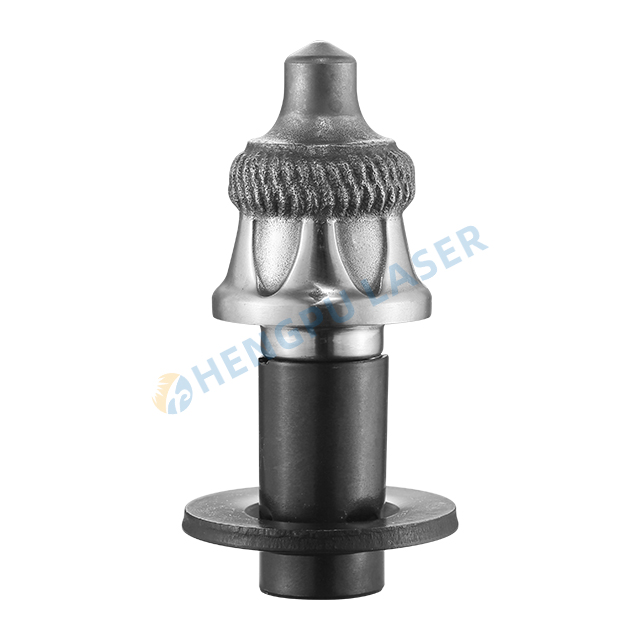
Evaluating and selecting specific tooth dimensions depends entirely on the geological and structural realities of the pavement. Proper road milling pick selection requires matching the tool's physical characteristics to the aggregate's hardness and abrasiveness. Failing to do so guarantees poor performance.
The ideal tooth profile for soft to medium asphalt features a standard 20mm shank with a medium-width, medium-duty carbide tip. Soft asphalt does not require massive impact resistance. It requires efficient penetration and smooth material flow.
Overly large or aggressive carbide tips are unnecessary here. They are not cost-effective for standard asphalt. A massive cap-style tip creates excessive drag in soft material. This drag forces the machine to work harder, burning more fuel without increasing the production rate.
Operators should establish baseline performance expectations for these conditions. Achieving 600 to 1,000 linear meters for general-purpose teeth is a standard benchmark. If your teeth fail before reaching 600 meters in soft asphalt, you likely have a tension sleeve issue or a mismatched holder, rather than a carbide failure.
Abrasive environments demand specific dimensional upgrades. You need larger carbide volume, reinforced steel bodies, and oversized wear plates. Aggregates like granite or high-sand mixes act like sandpaper on the steel tool body. The body will wash away long before the carbide dulls.
You must use heavy-duty tungsten carbide road milling teeth to withstand the high impact and thermal stress of concrete planing. Concrete does not yield like asphalt. It shatters. This shattering process sends massive shockwaves through the tool. Oversized carbide inserts absorb these shocks, preventing the tip from fracturing upon impact.
"Size" also applies to the metallurgical structure of the carbide itself. Tungsten carbide is manufactured by binding carbide grains with cobalt. The physical size of these microscopic grains changes the material's properties entirely.
Grain size affects the hardness-to-toughness ratio. Coarse-grain carbide is incredibly tough and resists impact fractures, making it perfect for concrete. Fine-grain carbide is extremely hard and resists abrasive wear, making it ideal for high-sand asphalt. Choosing the wrong grain size dictates whether the tooth will fracture under impact or wear down smoothly.
To assess material hardness in the field, follow these steps:
Review the original mix design of the pavement if available from the local transportation department.
Perform a scratch test on the exposed aggregate to determine basic mineral hardness.
Run a 50-meter test pass with standard teeth and inspect the carbide tips for micro-fractures.
Measure the steel body wash directly below the carbide insert after the first hour of milling.
Ensuring the selected tooth size physically integrates with your existing fleet is mandatory. You cannot force a mismatched tooth into a holder without causing damage. Proper fitment prevents costly drum modifications and keeps your machines running smoothly.
Matching tooth dimensions to specific OEM systems is the first step in procurement. Brands like Wirtgen, Caterpillar, Roadtec, and Simex engineer their drums with specific tolerances. While a 20mm shank is standard, the required shank length and tension sleeve style can vary between manufacturers.
Proprietary holder designs dictate specific puller groove placements. If you buy a generic tooth with a low puller groove, it might sit too deep inside a Wirtgen HT22 holder. Your extraction tools will not reach the groove, making on-site tooth changes nearly impossible.
Worn tool holders effectively change the internal diameter of the bore. Over time, abrasive dust acts as a lapping compound inside the holder. A bore that started at exactly 20mm might wear out to 21mm. This leads to loose-fitting teeth, even if you purchase the correct shank size.
You must determine when a tool holder requires replacement rather than simply installing new teeth. If a new tooth wiggles loosely inside the holder, the base block is compromised. Running new teeth in worn holders guarantees the shanks will snap. Use a specialized bore gauge to measure internal wear during routine drum maintenance.
Holder Condition | Symptom | Impact on Tooth Size/Fit | Required Action |
|---|---|---|---|
New / In-Spec | Firm seating, requires mallet to install | Standard 20mm shank fits perfectly | Proceed with standard tooling |
Moderate Wear | Tooth installs easily by hand | Tension sleeve struggles to grip bore walls | Use oversized tension sleeves temporarily |
Severe Wear | Visible ovaling of the bore hole | Shank rattles, leading to immediate snapping | Replace the entire tool holder base block |
Selecting tooling involves conceptual trade-offs between heavy-duty, oversized options and standard, streamlined designs. Bigger is not always better. You must weigh the benefits of increased lifespan against the drawbacks of reduced cutting efficiency.
Larger, blunter carbide tips definitely increase tool lifespan. They put more wear material between the steel body and the pavement. However, they require significantly more downward pressure to penetrate the surface. The machine must fight harder to keep the drum in the cut.
Smaller, sharper tips cut much faster. They slice through the asphalt with minimal resistance, allowing the machine to advance at higher speeds. The trade-off is that sharp tips lack the mass to survive long in abrasive conditions, requiring more frequent replacement.
Oversized or mismatched teeth increase the rotational resistance on the milling drum. When you equip a standard half-lane machine with massive concrete-milling teeth for a soft asphalt job, the drum struggles to turn. The blunt tips drag through the material rather than cutting it.
There is a direct correlation between tooling drag, engine load, and increased fuel consumption per shift. A drum fighting excessive resistance forces the engine to run at maximum load continuously. This burns extra diesel and accelerates wear on the machine's drive belts and gearboxes.
Evaluating ROI requires a strict framework. You must divide the upfront cost of premium or oversized teeth by the total linear meters milled before failure. A cheaper tooth that snaps after 200 meters is far more expensive than a premium tooth that lasts 1,200 meters.
Use the 600-1,000 linear meter general-purpose benchmark to help calculate true costs. If upgrading to a heavy-duty 48mm wear plate tooth increases your upfront cost by 20%, but extends your milling distance by 50%, the upgrade yields a significantly lower true cost per linear meter.
Adopting new tooling profiles carries practical risks. Changing dimensions alters how the drum interacts with the road. Addressing these risks proactively prevents catastrophic failures and keeps your crew productive.
Teeth failing to rotate in the holder is a primary risk. A milling tooth must spin freely to wear evenly. If it jams, the pavement grinds a flat spot into the carbide tip. Once flat-spotted, the cutting resistance spikes, eventually snapping the shank in half.
Mitigate this by ensuring proper sizing of the tension sleeve. Routine cleaning of the tool holder during tooth changes removes packed fines that prevent rotation. Additionally, ensure the wear plate diameter matches the holder face perfectly to seal out debris.
Selecting a tooth with a carbide tip that is too small or too brittle for the aggregate hardness guarantees fractures. When a sharp, fine-grain tip hits a solid granite river rock, the carbide shatters. A shattered tip exposes the soft steel body, which destroys the tooth in minutes.
Conduct a pre-project aggregate hardness assessment to mitigate this risk. If the pavement contains unpredictable or mixed-material cuts, utilize heavy-duty, cap-style carbide tips. These blunt profiles sacrifice some cutting speed to guarantee the tip survives heavy impacts.
Audit your current milling drum using a go/no-go bore gauge to measure internal tool holder wear before ordering new teeth.
Consult OEM compatibility charts to verify the exact tension sleeve styles and puller groove requirements for your specific machine model.
Run a limited pilot test with a new tooth profile on a single side of the drum to measure the actual cost per linear meter against your baseline.
Train your ground crew to identify flat-spotting early and clean holder bores during every tooth change to prevent shank snapping.
A: The industry standard shank size for most cold planers and asphalt milling machines is 20mm. High-horsepower machines and deep-cut applications often utilize larger 22mm or 25mm shanks to handle increased shear forces.
A: Concrete milling requires heavy-duty teeth with large, coarse-grain carbide inserts. Choose a cap-style or blunt geometry to absorb severe impacts without fracturing, paired with an oversized wear plate to protect the holder.
A: Standard picks have wider bodies and larger carbide tips for bulk material removal. Fine milling picks feature narrower profiles and smaller, sharper tips to fit tightly spaced drums, creating a smoother surface texture.
A: No. The shank diameter must exactly match the internal bore of the tool holder. Attempting to force a 22mm shank into a 20mm holder is impossible and will severely damage the base block.
A: The wear plate deflects abrasive material away from the tool holder. A larger diameter plate provides superior protection, extending the life of the drum's base blocks in highly abrasive conditions.
A: Teeth stop rotating when abrasive fines pack tightly between the tension sleeve and the holder bore. This jams the tooth, causing the pavement to grind a flat spot into one side of the carbide tip.
A: In standard soft to medium asphalt, a general-purpose tooth typically lasts between 600 and 1,000 linear meters. Lifespan decreases significantly in highly abrasive materials or solid concrete.


